The US and Iran held direct negotiations over the weekend, agreeing a “roadmap” toward reaching a final deal to end the war within 60 days. Mediators Pakistan and Qatar are reporting “encouraging progress”. JD Vance, the US vice-president, claimed that Iran had agreed to let International Atomic Energy Agency inspectors back into the country from as early as this week. Iran has denied Vance’s claim.
Last week, Washington and Tehan agreed a 14-point memorandum of understanding, which resulted in the reopening of the Strait of Hormuz.
Talks are expected to continue throughout the week in Switzerland. Based on the memorandum, negotiators have developed a high-level committee, which will provide political oversight on the mediation as well as working groups focused on nuclear issues, sanctions and a monitoring and dispute resolution group. The talks also included a “de-confliction cell”, between the parties and Lebanon focused on the continuing conflict between Hezbollah and Israel, resulting from the terror group’s attacks on northern Israel.
The continued fighting between Hezbollah and Israel in Lebanon threatened to scupper the talks, leading Iran to close the Strait of Hormuz again only days after it was declared open to international shipping. Iran also said that it would not discuss substantive issues such as its nuclear programme until the fighting in Lebanon ends and it is reported to have walked out of negotiations with the US at one stage over the weekend.
The memorandum included a provision to end fighting in Lebanon between Israel and Hezbollah. Despite this, four soldiers were killed in a Hezbollah attack on a tank in southern Lebanon early Friday morning amid operations to capture a Hezbollah terror facility beneath Ali Taher ridge. The IDF has assessed that Hezbollah has a major “strategic” underground facility beneath the ridge, which is located near Nabatieh. According to the military, dozens of Hezbollah operatives remain holed up underground in the area, and fighting has taken place above and below ground in recent days.
In violation of a ceasefire agreed earlier in June, Hezbollah launched more than 175 projectiles at Israeli troops in southern Lebanon on Saturday. Israel’s leadership has said that it would not withdraw from positions in southern Lebanon until Hezbollah no longer represents a threat to Israel, particularly residents in the north who have, once again, been attacked by missiles and drones for several months. Israel has established a buffer zone that currently runs up to 10 km (6 miles) deep from the border into Lebanese territory. Israel’s military is pressing the country’s leadership to speed up negotiations with the Lebanese government, which began weeks ago to end the fighting in Lebanon. It is hoping to achieve two aims: preserving the buffer zone in the south and destroying the major underground Hezbollah facility. US-mediated talks between Israel and Lebanon are expected to resume this week.
Since its publication late last week, the US-Iran memorandum has been met with grave concerns in the Jewish state, with 92 per cent of Israelis believing Iran has won the war. It commits Iran to reopening the Strait of Hormuz to international shipping and the US to lifting its blockade on Iranian ports. The strait will reopen without tolls for two months but the levying of fees in the future is not precluded. Washington has committed to immediately lifting oil sanctions on Iran’s economy.
But the memorandum does not offer reassurance on a number of longstanding issues:
- Iran’s nuclear programme is a key element for discussion for ongoing negotiations. The memorandum commits Iran to “down-blend” Iran’s existing stockpile of 440kg of enriched uranium. However, this does not resolve the issue of Iran maintaining the capacity to accelerate its nuclear programme clandestinely, which it has done in the past.
- The agreement does not, and further negotiations will not, address Iran’s support for proxies like Hezbollah and Hamas and may result in increasing funding for these groups. Following Iran’s infusion of a reported $1bn into Hezbollah last year, there is already speculation that Iran has made such commitments to the terror group.
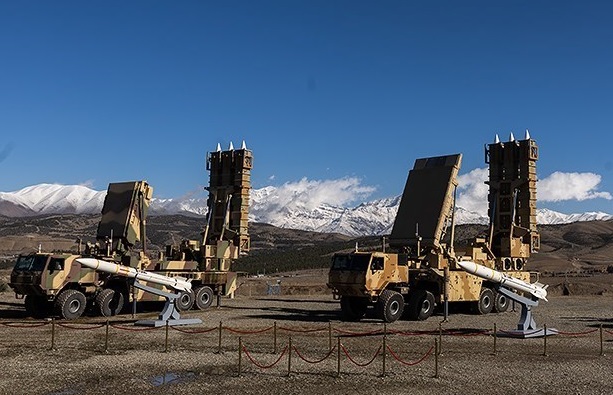
- There is no reference to Iran’s ballistic weapons – many hundreds of which were launched at Israel and other countries in the region over the course of the war.
- There is also no mention of Iran’s domestic repression, which has accelerated since the regime crushed protests in January with widespread massacres in which 30,000 people are reported to have been killed.