Turning pain into power
by Lili Ben Ami
In October 2019, my little sister, Michal Sela, was murdered in her home by her husband. Stabbed to death in her pyjamas, next to her baby’s crib. Michal was just 32 years-old. A bright, vibrant social worker. A free spirit. The first to take you up to the dance floor. Our colourful butterfly.
I was the last person to see her alive. Her murder was like thunder on a bright sunny day. I was left with so many questions: How could this happen? Were there signs? Why didn’t she say anything? And could her life have been saved?
I started digging and put the puzzle together. What I found was devastating: Michal’s life could have been saved. The current approaches to Intimate Partner Violence (IPV) are broken. IPV is an issue of life and death but, unlike other life-or-death threats, there are almost no tools for prediction or prevention. Only three percent of government resources for IPV is for prevention.
When we get into a car, we wear a seatbelt. We do early detection for cancer. Even in the commercial world, if you search for a flight, you’re suddenly shown hotel ads. But with IPV, the solutions and tools are stuck 50 years in the past. We often only act after violence occurs. All the current solutions for IPV put the entire burden on the woman: report the incident to the police, go to the welfare authorities, or go to a women’s shelter.
While we can’t turn back time, we can bring the solutions to IPV into the 21st century. It’s time for a revolution: one rooted in innovation, data, tech, security, solidarity and cross-sector collaboration. One that saves lives before the first blow. I founded the Michal Sela Forum (MSF) in May 2020 – just six months after Michal’s murder. I was looking for an answer to this one simple question: Israel is famed as the “start-up nation”. We’re a leader in homeland security. So, why aren’t we using that expertise to save women’s lives inside their own homes?
With that vision, I began building a new methodology: one grounded in prevention via technology and innovation.
MSF uses a cross-sector approach to combat IPV, bringing together tech developers, security experts and IPV experts to create proactive solutions.
The MSF technological division centres on the annual Michal Sela Safe@Home Hackathon, held on Michal’s birthday. Now the world’s largest tech competition for IPV solutions, it has generated over 600 life-saving tech startups, many of which have been developed through The Michal Sela Startup Academy. Examples of projects produced through the Michal Sela Safe@Home Hackathon include RelyOn, a smart voice activated panic app; and She Proves, an AI-powered tool for secure evidence collection, using blockchain to document threats and generate legal documents.
Together, we’re building the world’s first SafeTech vertical – a new frontier for violence prevention.
The MSF defence division developed an innovative and life-saving basket of practical solutions for threatened women. Through Michal Sela Canines and Michal’s Watch, for instance, over 600 women and 2,300 children are currently protected by personal defence dogs, security cameras, panic buttons, safety apps and more. In 34 separate cases, these tools have directly saved women’s lives.
The MSF awareness division is changing the conversation. In the case of approximately half of femicide victims, as in Michal’s, there was no physical abuse prior to the murder. We focus on recognising early warning signs, and empowering bystanders to act. Every year, our campaigns reach millions through billboards, schools, and traditional and digital platforms.
And in the Knesset, we’ve achieved landmark victories including the Guardianship Amendment, which strips parental rights from a parent who murders, or attempts to murder, the other parent; the Electronic Bracelet Act, which mandates GPS tracking for IPV abusers; and the first-ever economic analysis of the cost of femicide – proving that prevention is not only a moral imperative, but financially smart.
To the nations of the world: I call on you – let’s join hands. Our goal is zero femicide per year. When you talk about IPV, change the narrative, from one of victimhood to one of empowerment; from problems to solutions and solidarity. Let’s stop showing women crying in the corner. Instead, we should show an image of a strong woman, like Michal, like the daughter of your next door neighbour. After all, you wouldn’t market a home security system with images of carnage after a break-in. We should do the same with women’s safety. Issue a call to action and highlight practical, simple and relevant approaches. For example, we should ask: how can AI save the next Michal and invite tech pioneers to join with us and build this future together.
Just as everyone now knows the symptoms of Covid-19, everyone should know the early warning signs of abuse – even when there’s no bruise. We should learn how to identify control, gaslighting, manipulation and isolation. And just as importantly, we should know who to call.
Today, we in Israel are in a state of national emergency. Since the brutal Hamas attacks on 7 October 2023, and the ensuing war, violence at home has surged. In just the first half of 2025, 22 women and three children were murdered within their families, compared to 17 women in all of 2024. This horrific surge is a direct aftershock of the war, one we are still navigating. Despite this, policymakers have not yet issued an official statement on the issue of women’s safety at home during times of war. IPV is a silent front of war. This is not a women’s issue. This is national security. Women and men together acting against violence. Together we can save lives – not someday in the future, but now. Today.
Is saving lives a priority for you? Are you passionate about harnessing innovative solutions to address IPV? We are currently seeking a partner country to explore collaboration and replicate Israeli proven successes.
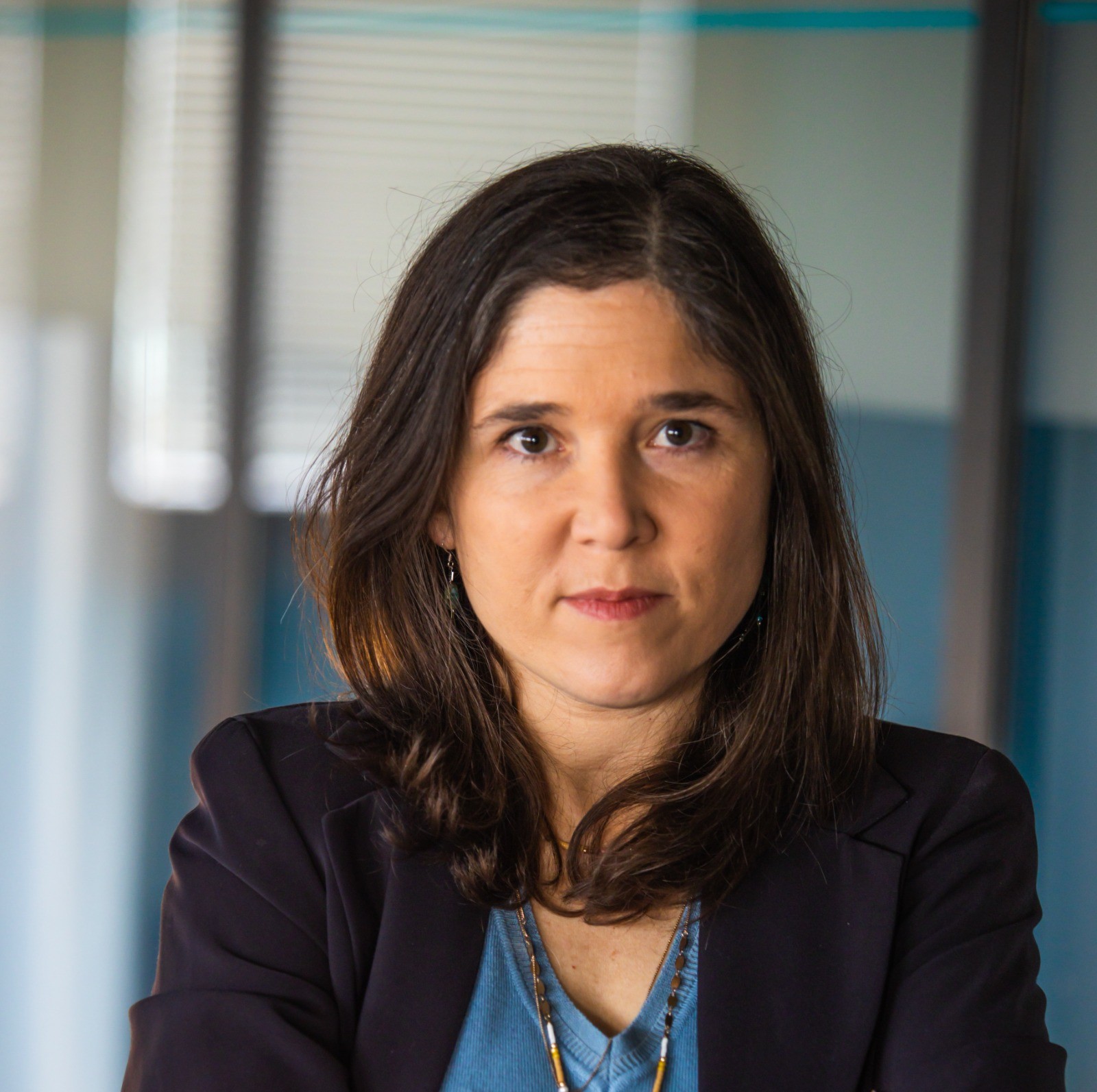
Lili Ben Ami is founder and chief executive of the Michal Sela Forum