Embracing equality, diversity and common values
by Mehereta Baruch
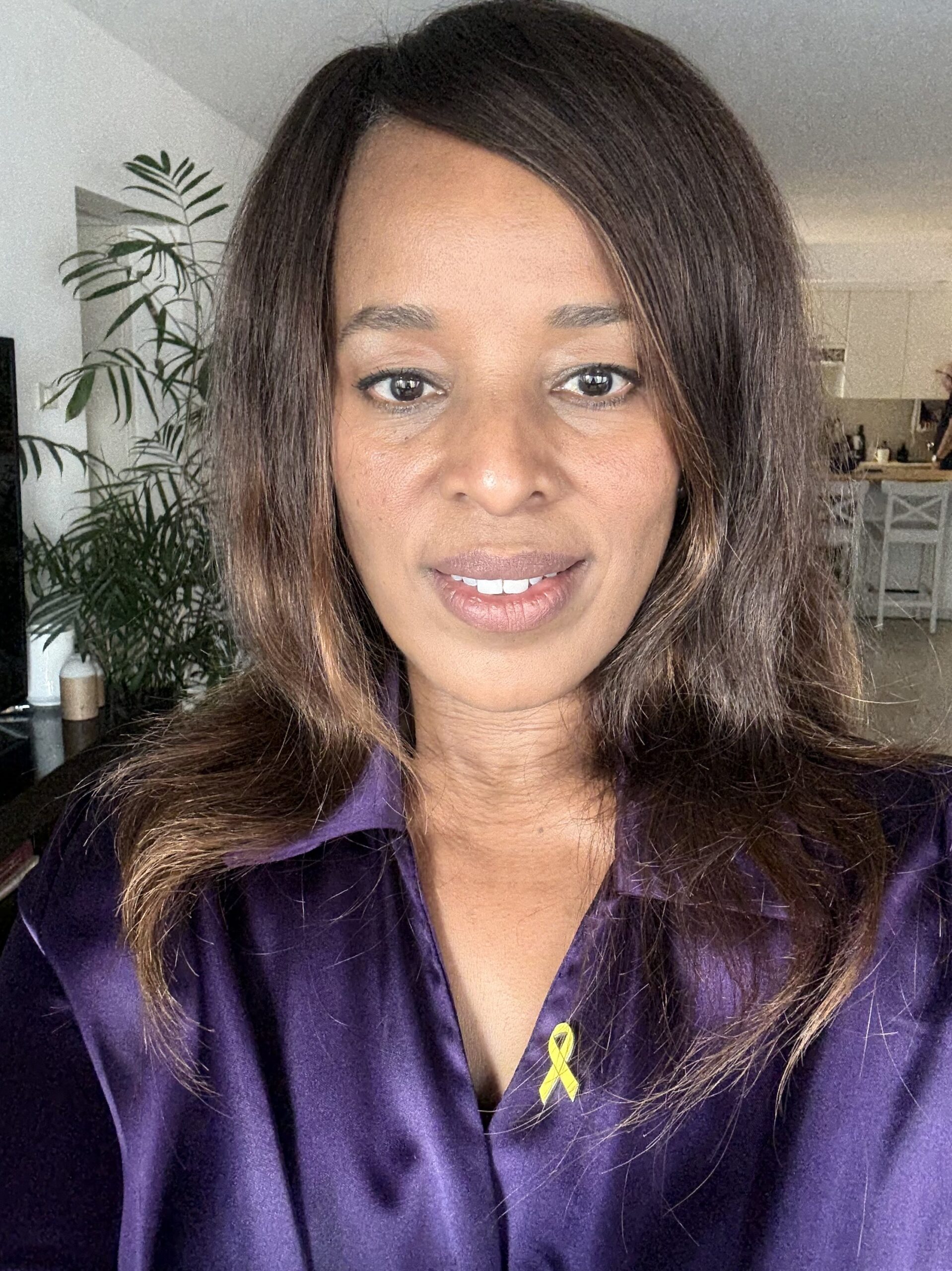
I believe that the cornerstone of any liberal society is the principle of equality among all human beings. This belief is not abstract for me: it emerges from my personal biography – as a woman, a Jew, a Black person and an immigrant. Each of these identities represents a group that has historically been – and continues to be – subject to systemic discrimination in most societies. For this reason, I place the struggle for equality at the very heart of my personal and political agenda.
However, equality is a complex and multifaceted concept, especially in the context of immigration. At the age of 10, I arrived in Israel after a long and dangerous journey from Ethiopia on foot and a prolonged stay in a refugee camp in Sudan. Landing in a modern, democratic and liberal country created a profound clash between the world I came from and the values of the society I had entered. It took me years to understand that embracing liberal values – some of which directly contradicted those I had previously known – did not require erasing my past, but rather processing it, confronting it, and reconnecting with it from a mature and conscious place.
Over the years, and particularly during my tenure as deputy mayor of Tel Aviv–Jaffa, I became deeply aware of the challenges involved in integrating immigrants from non-liberal societies. These communities are often shaped by conservative or even anti-democratic religious frameworks, and they frequently struggle when confronted with the liberal values of their host countries. In many cases, integration does not occur at all. Instead, there is replication: the immigrant attempts to recreate the very culture from which they fled, sometimes exerting pressure on their surroundings, including community members, institutions, and society at large.
I see this phenomenon as a real and growing threat to the stability of democratic societies. When immigrants do not undergo a process of integration – one that does not forget the past but also does not idealise it – they tend to cling blindly to what is familiar. The sense of losing your identity can often lead to a nostalgic return to values and structures that were sometimes the source of their original suffering, and which are now reintroduced into a society attempting to offer an alternative.
The balance between preserving one’s roots and adopting new values is difficult but essential. I myself would not have been able to fully embrace the liberal values that guide me today – the belief in equality, freedom, gender and religious pluralism – had I not remained connected to the traditions from which I came. It was through deep engagement with my own origins that I was able to choose a different path; one that also did not erase who I am.
Today, after building a mixed family with a native-born Israeli partner of European background, and after years of public service, I am convinced that successful integration requires a clear and deliberate policy: one that does not compromise its core values, but also does not demand that immigrants erase their past. Only a thoughtful and conscious connection between past and present can lead to shared and sustainable citizenship.
Liberalism is not self-evident – not even for immigrants to whom it offered protection and refuge. That is precisely why it must be protected not only from external threats but from challenges within as well: through education, cultural engagement, and the cultivation of a complex but honest dialogue. Only in this way can we prevent a widening cultural rift between local societies and immigrant groups who struggle to integrate, and instead build a truly equitable society: one that embraces diversity while uniting around common values.
In my view, and this is the focus of much of my work, strengthening immigrants’ sense of identity and connection to their roots is a fundamental and necessary step in building their psychological resilience. Only with that resilience can they truly engage with, and adopt the liberal values of, the democratic societies of which they are becoming members.
I work toward this goal through lectures and workshops that I lead in schools, organisations and companies, as well as through a dedicated unit within the Israel police. This unit was established to improve the relationship between law enforcement and the Ethiopian-Israeli community. Although immigrant absorption is a core ideological goal of the State of Israel – perhaps more so than in many other countries – there are still significant tensions and difficulties, particularly when it comes to embracing liberal worldviews among second- and third-generation immigrant communities.
The protection of a democratic-liberal society demands from us, as individuals and as a society, an uncompromising commitment to action. We must strengthen educational institutions to instill the principles of liberalism and pluralism from a young age, encourage critical and fact-based discourse, and consistently expose attempts to delegitimise minority groups or basic democratic principles. Furthermore, we must support civil society organisations working to strengthen human rights, governmental transparency, and the rule of law, and take an active part in elections and public discourse. Only through active civic engagement, without fear of confronting the challenges of the hour, can we ensure the resilience and future of liberal democracy.
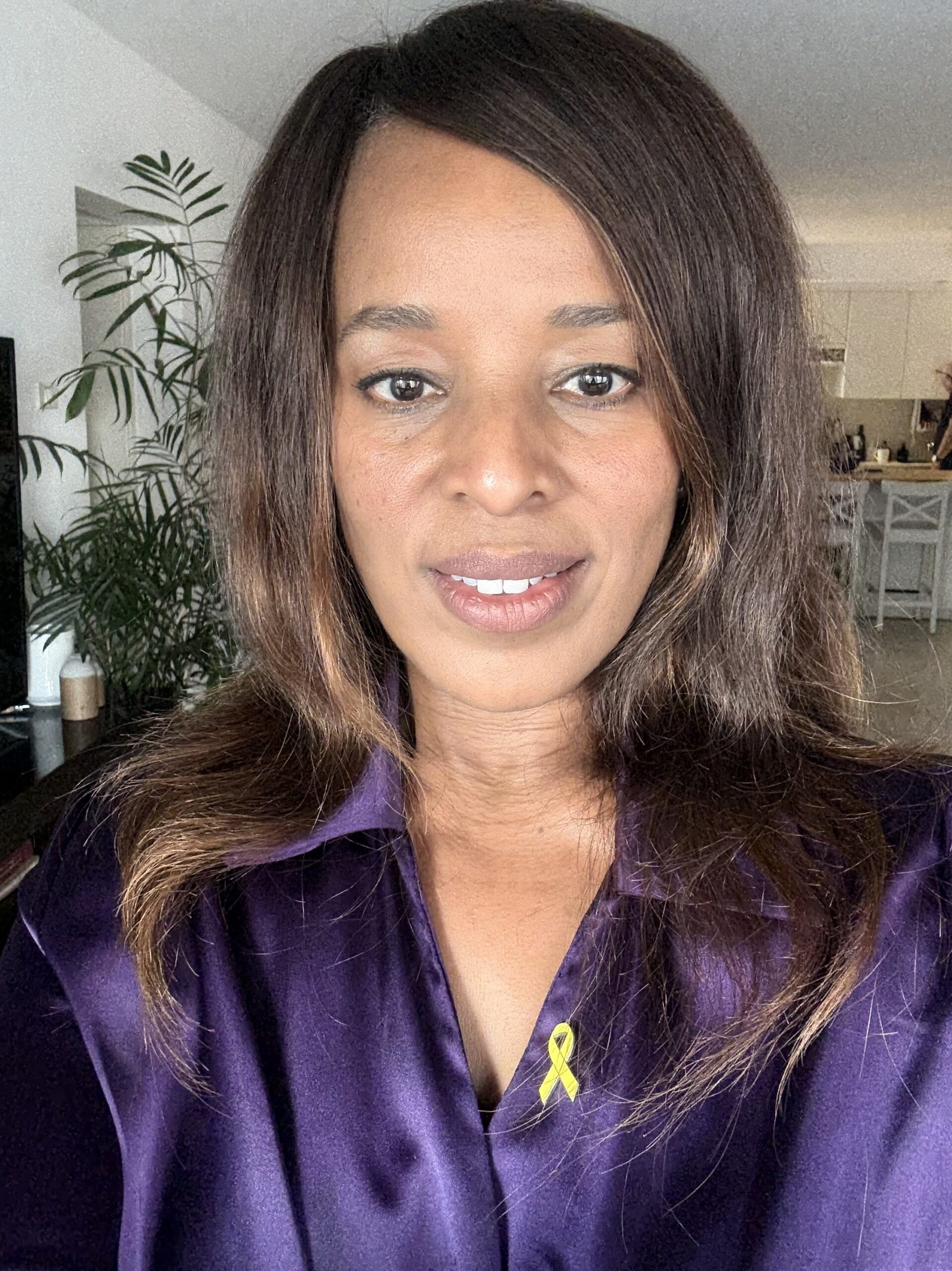
Mehereta Baruch served as deputy mayor of Tel Aviv. A former member of Meretz and the Israeli Labor party, she is now a member of The Democrats and is standing for the Knesset at the next general election