This week we’re covering Trump’s latest Israel-Lebanon ceasefire announcement alongside the status of negotiations between Washington and Tehran.
Top stories
Israel-Hezbollah Conflict
- Following intensified fighting between Israel and Hezbollah over the past week, Donald Trump announced a new ceasefire agreement between the two parties last night. The previous 17 April US-brokered ceasefire had eroded in the face of escalating attacks by Iranian-backed terror group Hezbollah.
- The announcement was followed by a report that claimed President Trump blasted Netanyahu over Israel’s actions in Lebanon, which he reportedly argued was contributing to increasingly hostile attitudes towards the country internationally.
- The Lebanese government says Israeli strikes on Beirut’s southern suburbs will cease in exchange for Hezbollah halting attacks on Israel – with the framework reportedly extended to cover all Lebanese territory. Netanyahu warned that Israel would resume strikes if Hezbollah continued attacking Israeli civilians, and confirmed that Israeli forces would remain operational in southern Lebanon, which could refer to the IDF buffer zone that Hezbollah officials have acknowledged will remain in place, as part of the agreement.
- After Trump’s announcement, Hezbollah launched a new wave of attacks. Despite the ceasefire agreement, the group announced its targeting of Israeli tanks stationed in southern Lebanon. It also fired two missiles into northern Israel, triggering sirens in several areas. The IDF responded with strikes on Hezbollah targets along Lebanon’s southern belt and by issuing an additional evacuation warning to residents of the southern city of Nabatieh.
- A fourth round of diplomatic talks between Jerusalem and Beirut began today in Washington, having been preceded by a meeting last Friday between Israeli and Lebanese military officials.
US-Iran Negotiations
- Trump stated last night that talks “are continuing, at a rapid pace”, though he has reportedly taken a tougher negotiating position in recent days, proposing more limited Iranian access to frozen funds. Tehran is seeking to pressure Washington into limiting Israel’s military activities in Lebanon, with Abbas Araghchi, Iran’s foreign minister, saying a truce with the US must entail a ceasefire in Lebanon. Clashes between Israel and Hezbollah prior to last week’s escalation had not previously prevented the continuation of negotiations between Tehran and Washington.
In Israel
- Yesterday, Ultra-Orthodox protests over conscription escalated into street demonstrations with Haredi protestors blocking roads and train tracks to pressure the government into halting arrests of draft dodgers. Eight demonstrators were arrested after breaking into a police station. Leaders of United Torah Judaism – which had backed Netanyahu until recently – demanded he rein in the police, with Moshe Gafni, head of one wing of the party, instructing local representatives to halt all cooperation with police.
- As Israel gears up for its election in the coming months, the left-wing Democrats party, Labour’s sister party, held a large conference last week where they ratified the merger of its Labor and Meretz factions. Leader Yair Golan said that it will be “absolutely essential” for there to be Arab-Jewish partnership in the next government. Last month, Golan publicly encouraged fellow Zionist opposition leaders to support the inclusion of Mansour Abbas’ Ra’am party in the next ruling coalition.
- Netanyahu’s Likud party is expected to hold a party-wide primary within the next two months to determine its slate of candidates ahead of the upcoming election. Amid fears that a conventional democratic process could elevate hardline populists repellant to swing voters, Netanyahu is reportedly seeking enhanced means of shaping the candidate listappeal to centre-right voters.
In Depth: Hezbollah’s Strategy of Escalation
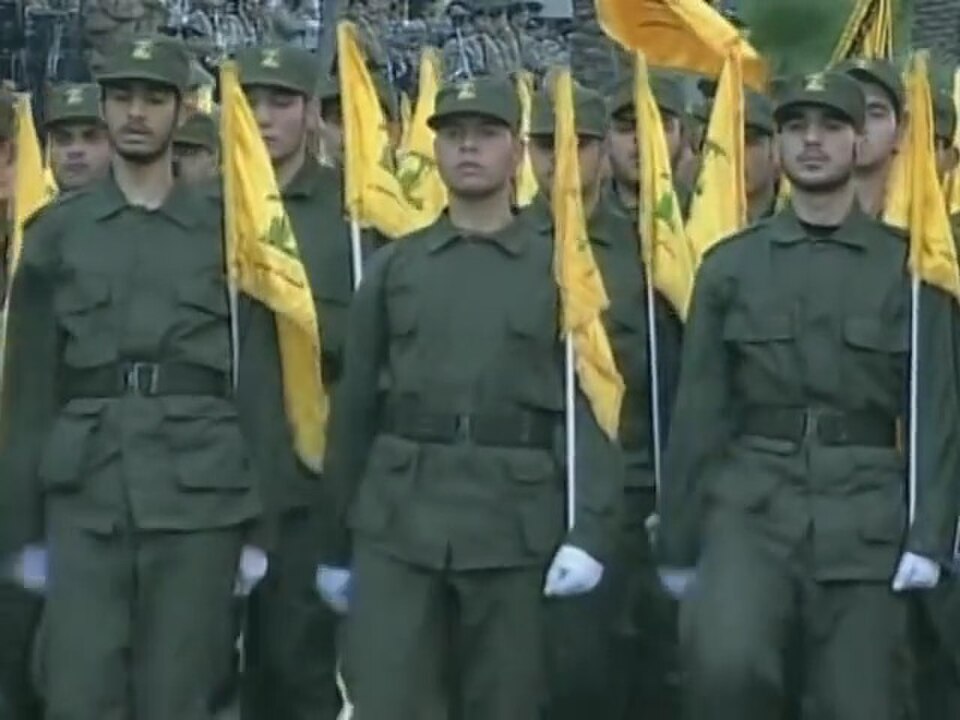
Prior to the ceasefire announcement, Hezbollah had begun drawing more forceful Israeli military responses by expanding its attacks on Israel, including ramping up its attacks on communities in northern Israel.
Over the past week, Hezbollah conducted 227 separate attacks on Israeli troops in Lebanon and in Israeli territory. This marks a 41 percent increase in offensive activity compared to the previous week, which itself had seen a nearly 30 percent increase in attack volume. The number of attacks on Israeli territory more than doubled over the previous week, reaching 94 separate attacks, some of which targeted Israeli cities beyond the border region, such as Acre and Tiberias.
The Iran-backed terror group’s decision to expand its assaults came as talks continue in Washington between Israel and the Lebanese government to advance the disarmament of the Iran-backed terror group and develop a pathway towards a bilateral peace agreement — both objectives which Hezbollah has pledged to resist.
Last week, the US secretary of state Marco Rubio berated Hezbollah for its efforts to thwart the success of the continuing Israel-Lebanon talks, accusing the Iran-backed terror group of seeking to “maintain its power at the expense of the future of the Lebanese people”.
Hezbollah’s escalation also came amid continuing talks between the US and Iran, with Axios reporting that a senior Lebanese official told the outlet that the Islamic Revolutionary Guard Corps has been pushing Hezbollah to escalate its attacks to grant Tehran additional leverage in its negotiations with Washington.
Latest from LFI
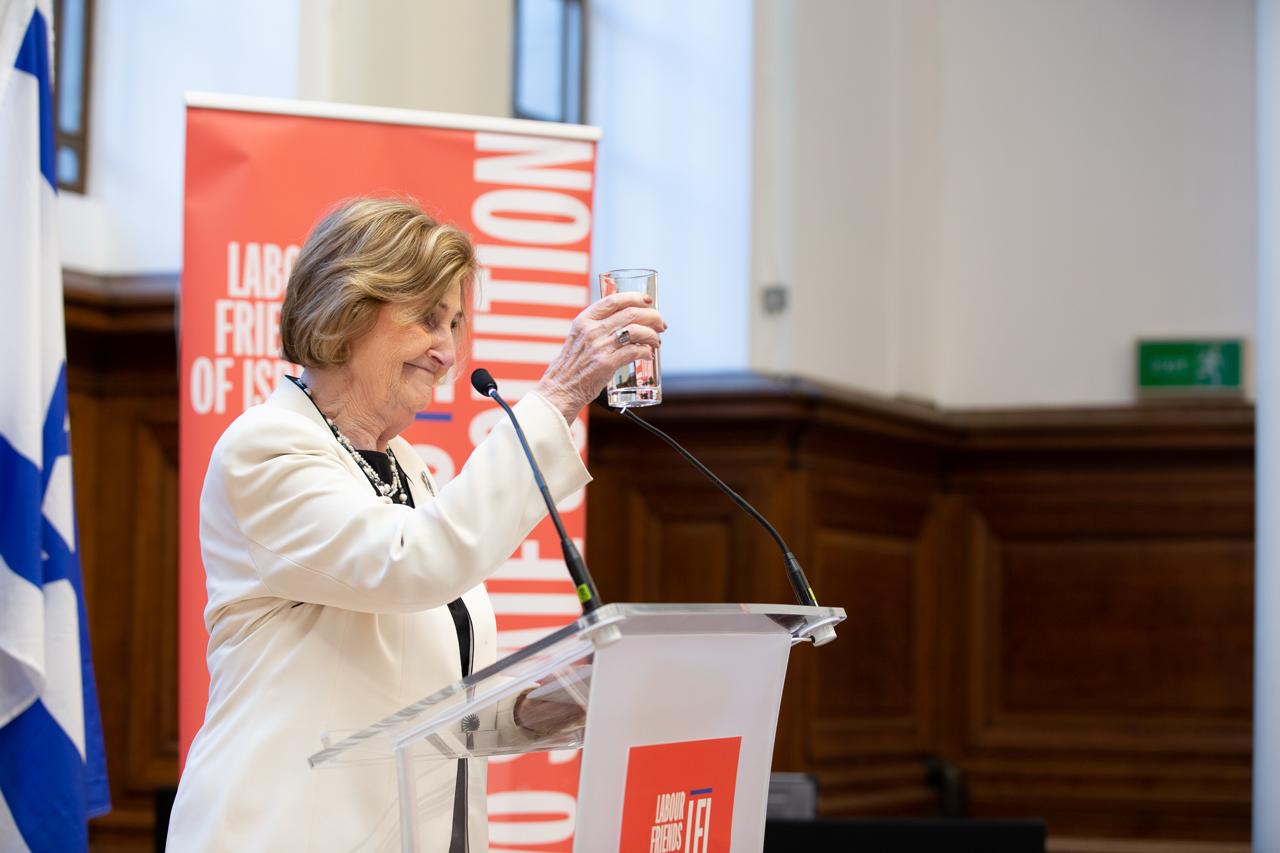
LFI pays tribute to its honorary chair of the Lords, Baroness Meta Ramsay
LFI were heartbroken to hear the news last week of the passing of Meta Ramsay, Baroness Ramsay of Cartvale. Meta was a public servant of immense intelligence, principle and bravery. She was a loyal and dedicated friend of Israel and the Jewish community and a fierce opponent of antisemitism.
LFI benefitted hugely from Meta’s longstanding and distinguished work as our chair in the House of Lords for over a decade. She will be greatly missed by all those who knew her.
May her memory be a blessing.
You can read her obituary in the Telegraph here.
A bill to disband the government and dissolve the Knesset today passed the first of its three required readings in the Israeli parliament. The vote follows rising tensions between Benjamin Netanyahu and his key ultra Orthodox coalition partners. Last month, United Torah Judaism declared it would support the Knesset’s dissolution after the government’s failed efforts to pass a bill enshrining in law exemptions to conscription enjoyed by ultra-Orthodox. The bill, which is hugely unpopular outside of the ultra-Orthodox electorate, crashed amid fierce objections from both coalition and opposition parliamentarians alike. Opposition leaders are vowing to end the exemptions if they defeat Netanyahu’s government in the forthcoming general election.
The election must be held by 27 October at the latest, with the coalition’s whip, Likud’s Ofir Katz, suggesting the vote will take place between 8 September and 20 October. Katz himself advanced the dissolution bill currently making its way through the Knesset. The non-ultra-Orthodox elements of Netanyahu’s coalition, which constitute a majority of the prime minister’s government, is seeking to control the timing of the election. It is also attempting to ensure there is enough time remaining in the Knesset session to pass key elements of the government’s legislative agenda — including a controversial bill to weaken the authority of the attorney general, which also passed its first reading today. Centre-left opposition parties, including Labour’s sister party, The Democrats, are strongly opposed to the measure, arguing it would remove important judicial checks on the government’s power.
Gadi Eisenkot, leader of the centrist Yashar party, continues rising in the polls at the expense of the joint Beyachad slate, led by former prime ministers Yair Lapid and Naftali Bennett. It aims to bring together Lapid’s centrist supporters, with centre-right voters more drawn to Bennett. An average of polling data from Israel’s leading television channels shows Beyachad fell from its high-water mark of 26 projected seats in mid-May to 22 seats by the end of the month. Across the same period, Yashar rose from 12 to 17 seats, while Likud declined from 25 to 23 seats. In a Channel 12 survey, Eisenkot was favoured (45 percent) to lead the opposition bloc over Bennett (36 percent). The same poll shows the left wing Democrats climbing to 11 predicted seats. The opposition camp as a whole gained two seats over the previous Channel 12 poll, with the anti Netanyahu bloc outpacing the prime minister religious-right bloc but remaining two seats short of a governing majority, leaving Israel’s Arab parties as the potential kingmakers.
Image: Hezbollah guys, Voice of America, Public Domain, wikimedia commons.